Deonar Blooming Ground:
A Design Manifesto For Reimagining
a Post-Capitalist Landfill
Radhika Sarda
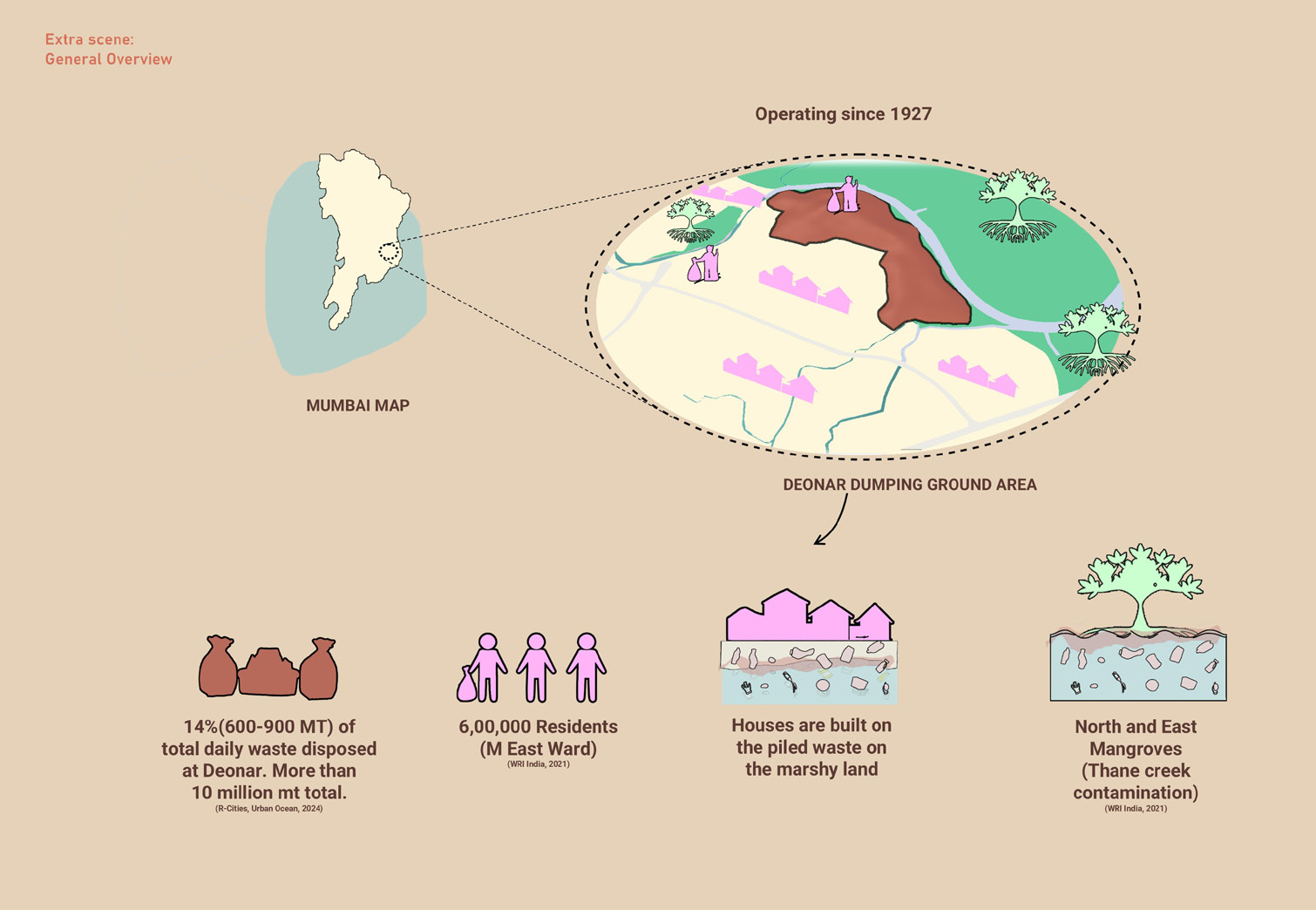
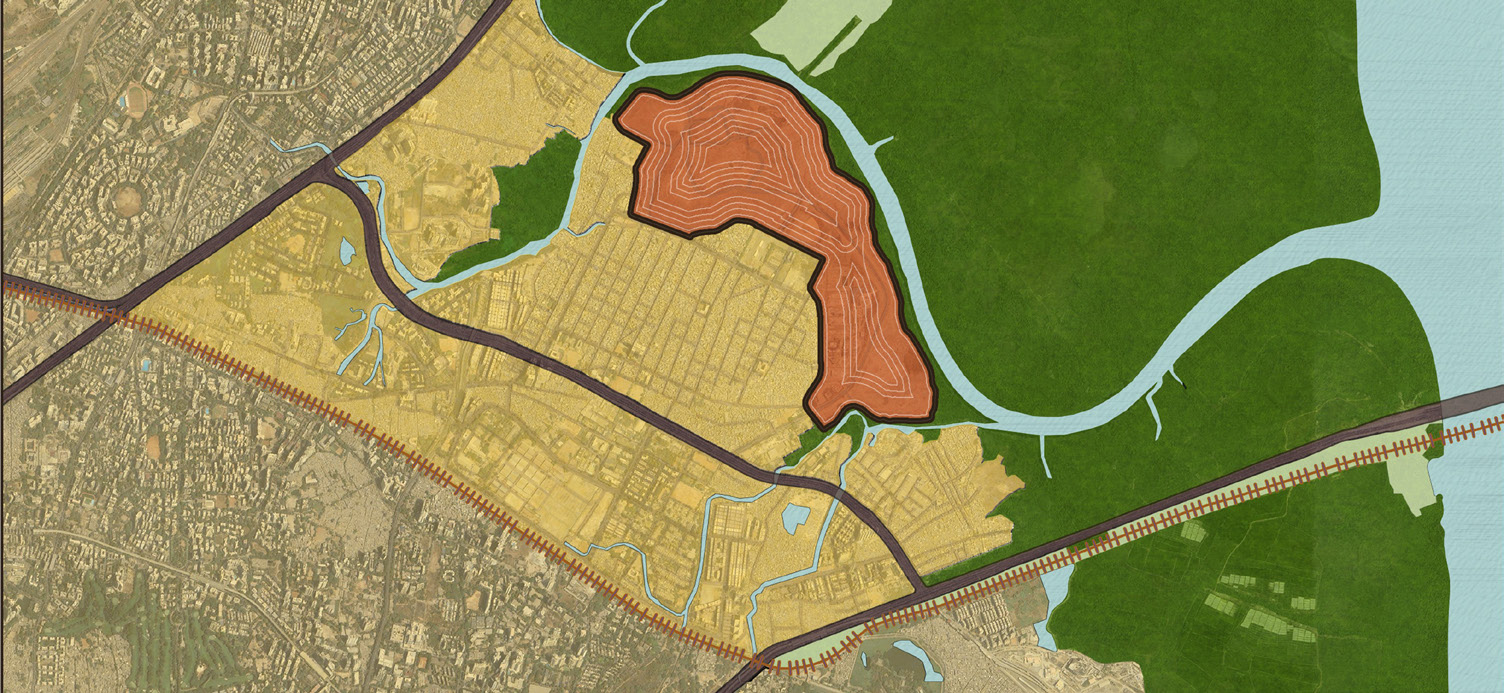
Mumbai’s skyline continues to rise, but so does another mountain, Deonar, a century-old landfill
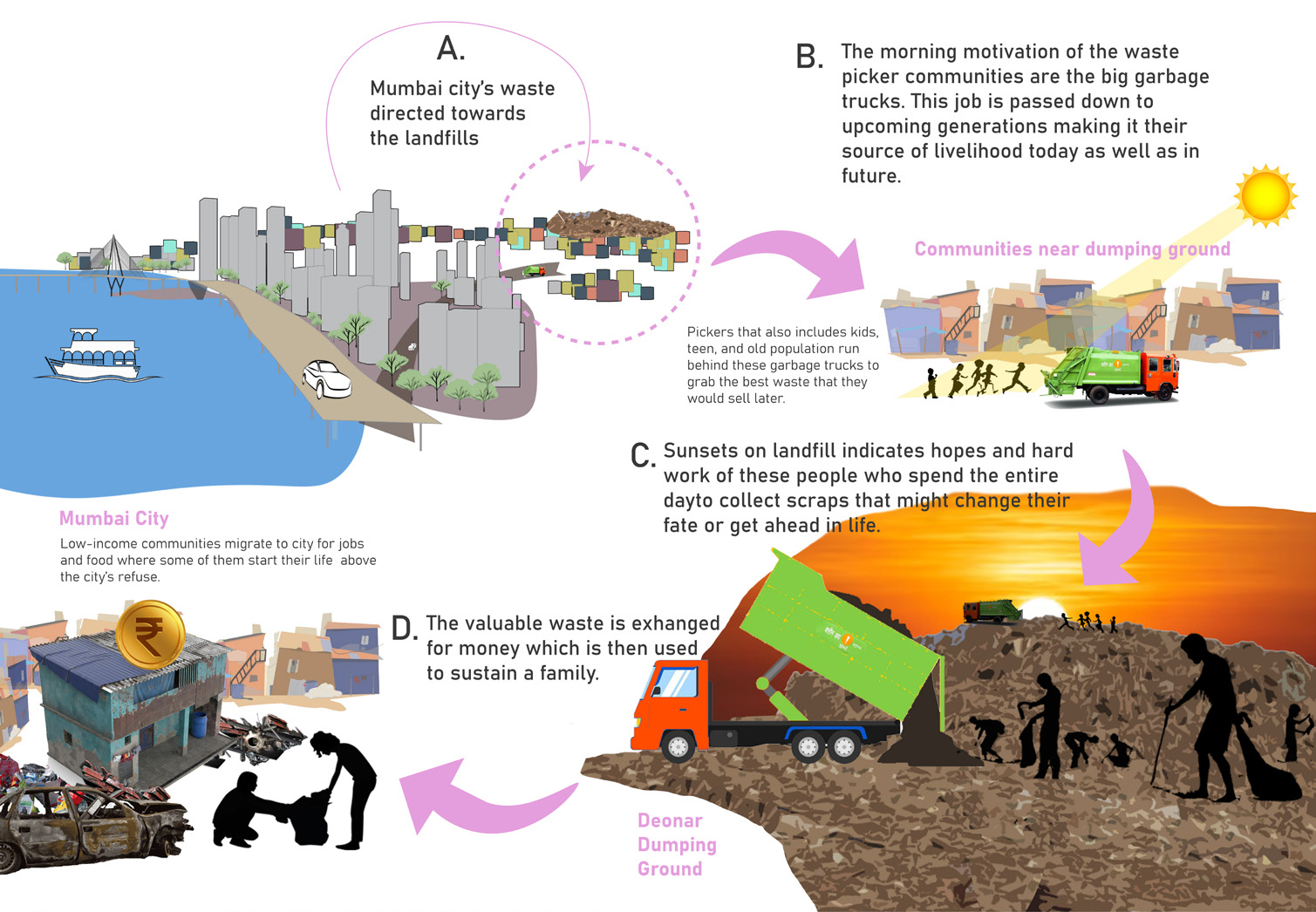
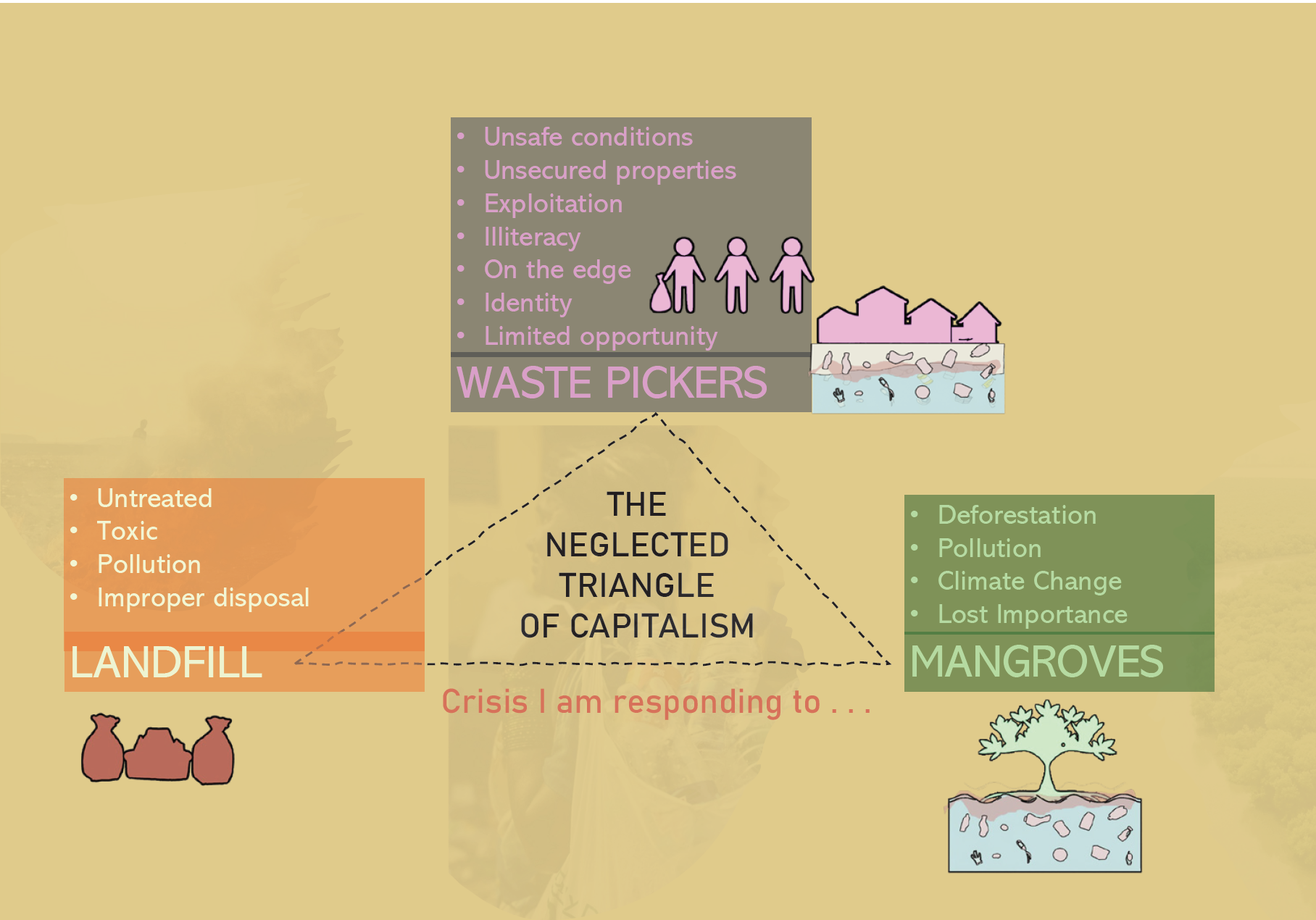
layered with more than just waste. It holds the weight of forgotten people, erased ecologies, and
ignored potential. Having lived in Mumbai most of my life, I have seen how spaces like Deonar are
left behind while towers represent success. This project does not begin with erasure. It begins
with recognition. Deonar is not just land. It is a living terrain of memory, survival, and quiet
resistance that demands to be seen.
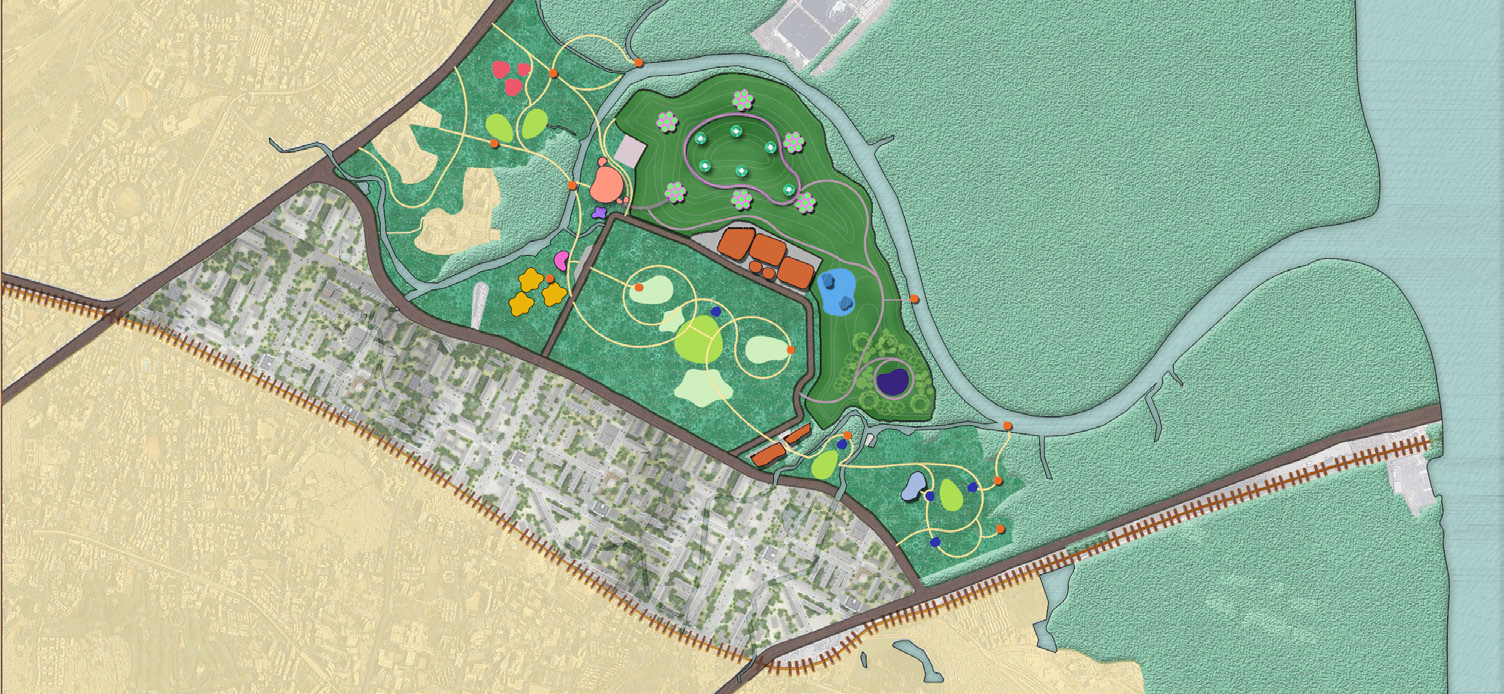
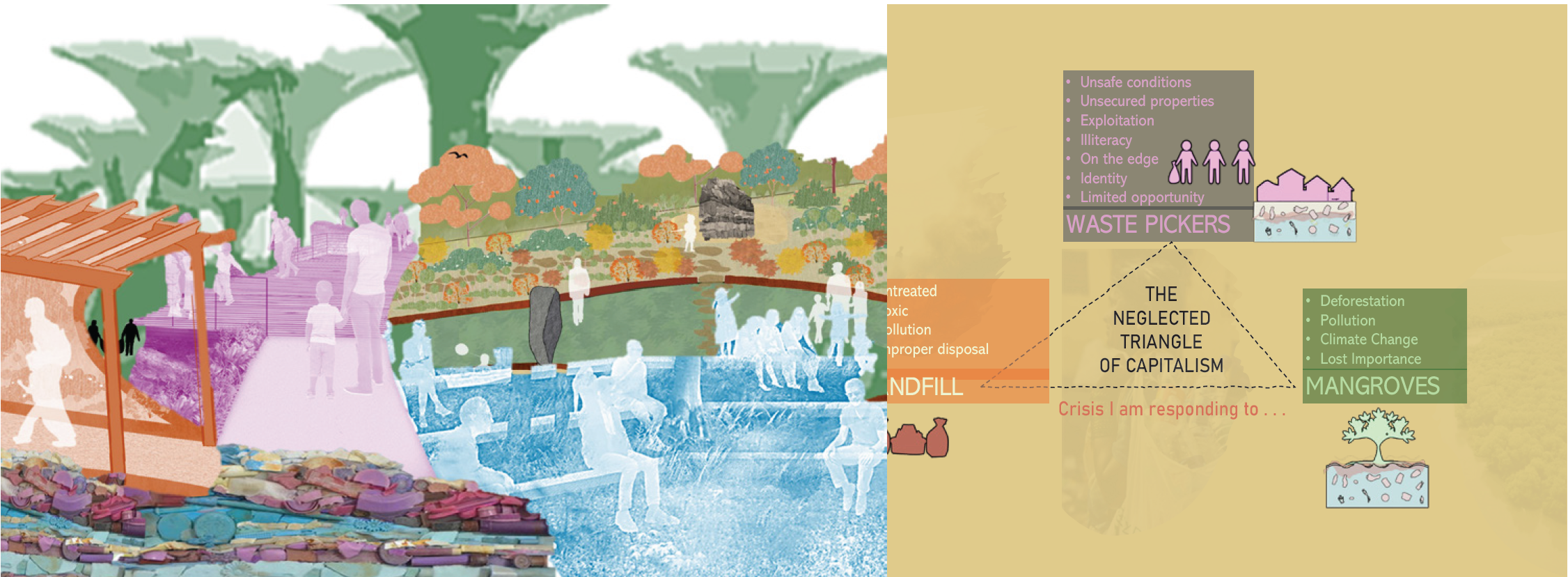
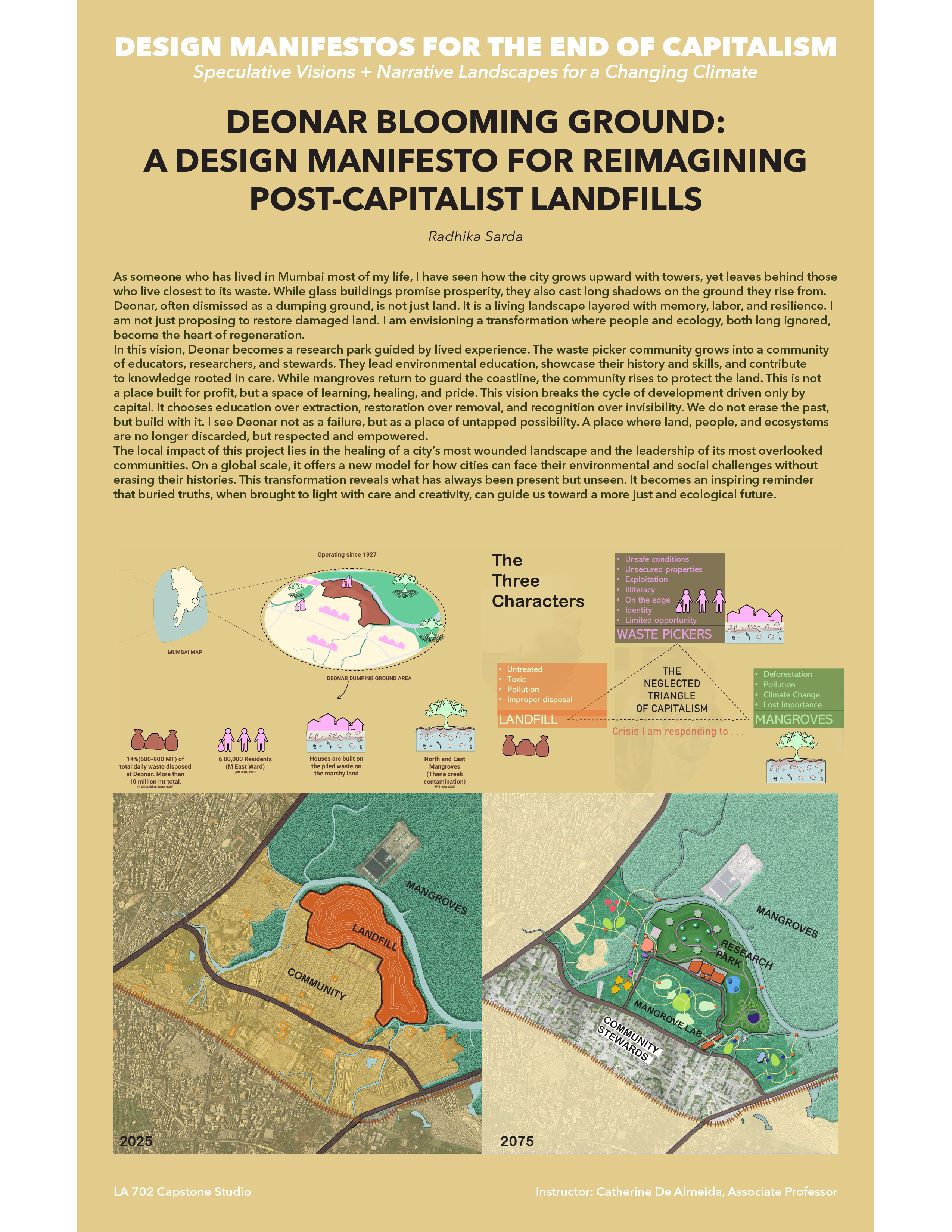
This vision imagines Deonar as a research park where transformation is rooted in lived experience.
The waste picker community becomes a community of stewards, guiding education, research, and
environmental care. Their skills and knowledge are not overlooked but placed at the center of
restoration. Mangroves return to protect the coastline, and the community rises to protect the land.
This is not a space for profit or spectacle. It is a space of pride, growth, and healing.
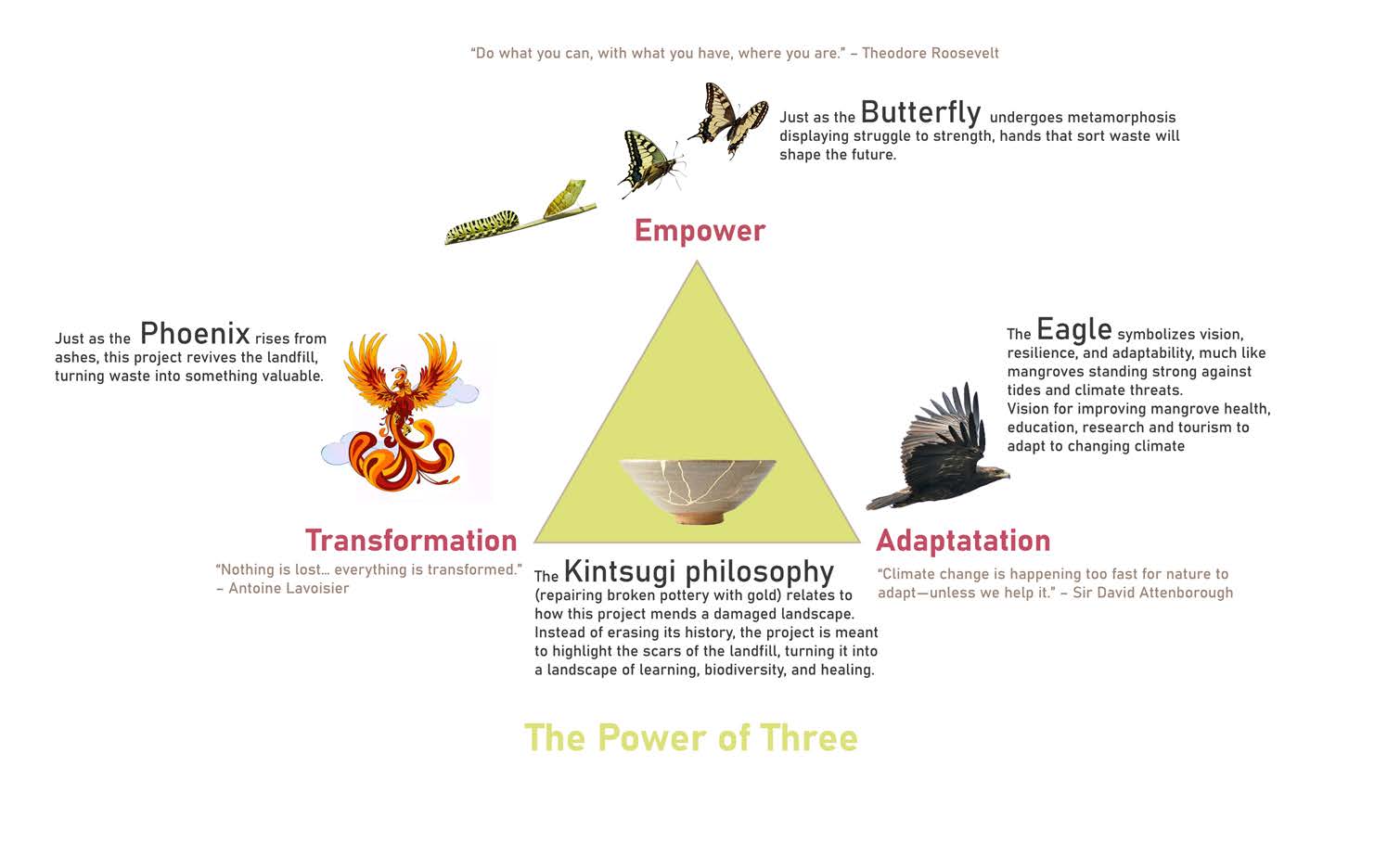
This project goes beyond the idea of remediation. It asks how people and ecosystems can rise
together. It challenges development that builds upward while displacing the ones closest to the
ground. It chooses learning over exclusion, care over concrete, and connection over silence. Deonar
is no longer a site to be hidden. It becomes a place that speaks clearly about what cities forget and
what they must remember.
The transformed landscape includes research labs, classrooms, waste management facilities,
biodigestors, observation decks, and learning spaces shaped by community leadership. Visitors
engage with waste tourism, explore native nurseries, walk through worldwide mangrove exhibits,
and learn from research pods focused on organic farming. Protected mangrove boundaries and
environmental monitoring sites restore ecological health. Many aspects of this proposal also
question current systems of planning and speculate on new policy directions that prioritize long
term care over short term gain. This is a vision not just for what Deonar can become, but for how
cities can begin to listen to what they have buried.